
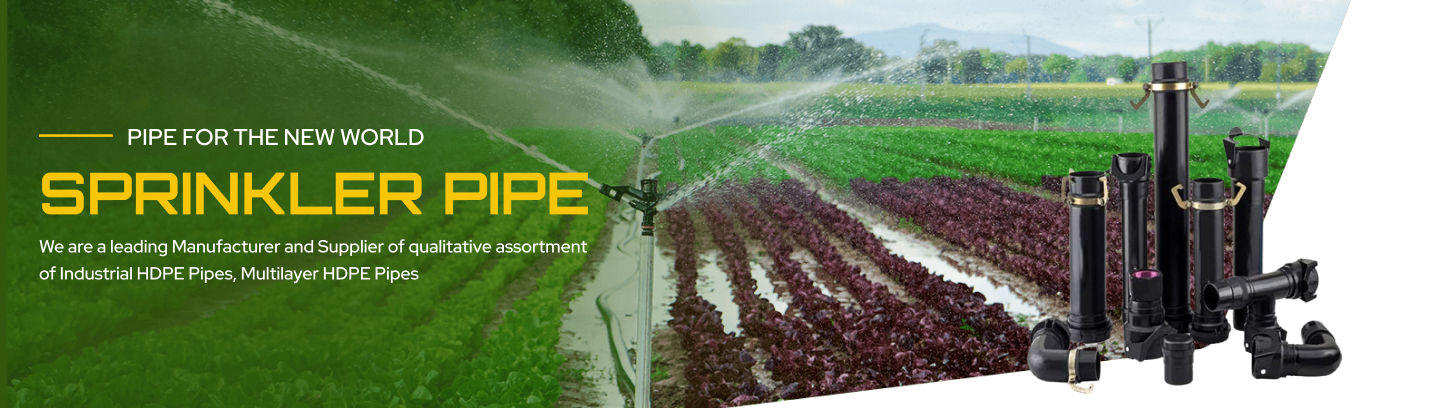
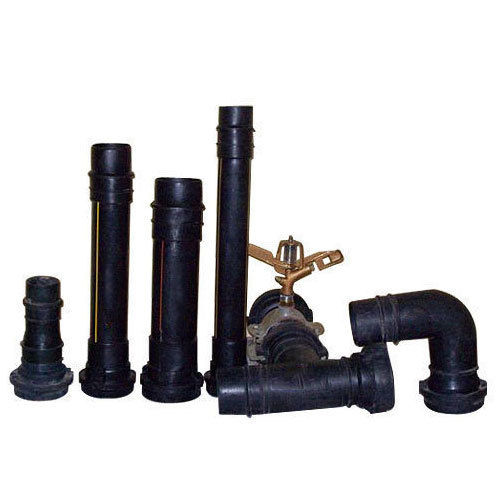
Sprinkler Pipe Fittings
70 INR/Meter
Product Details:
- Material HDPE
- Connection Female
- Shape Round
- Standard ASTM
- Surface Treatment Galvanized
- Color Black
- Click to view more
X
Sprinkler Pipe Fittings Price and Quantity
- 1000 Meter
- 70 INR/Meter
Sprinkler Pipe Fittings Specification
- Galvanized
- HDPE
- Black
- ASTM
- Female
- Round
Sprinkler Pipe Fittings Trade Information
- 10000 Meter Per Day
- 2-7 Days
Product Description
Sprinkler Pipe Fittings is one of the widely demanded pipes for which we are considered a prestigious manufacturer in the market. It is made up of finest quality HDPE procured from our trusted vendors and processed using technologically advanced machinery at our unit under the strict supervision of our experts. This product is installed at various places including farms, agriculture fields and garden areas for sprinkling water as required. They are known for being easy to install, easy to handle and durable.
Uses of Sprinkler Pipe Fittings:
1. Pipe Connection: Sprinkler pipe fittings are primarily used to connect various pipes in a sprinkler system. They ensure a secure and leak-free connection between pipes of different sizes and materials, such as galvanized steel, PVC, or CPVC pipes.
2. Directional Changes: Fittings like elbows, tees, and wyes are used to change the direction of the piping system. This is important to route water to different areas of a building or landscape, ensuring comprehensive coverage for fire protection or irrigation.
3. Pipe Size Transition: When the size of the pipes changes within a sprinkler system, fittings like reducers and increasers are used to smoothly transition between different pipe sizes, maintaining an efficient flow rate and pressure.
4. Valve Integration: Sprinkler systems often require control valves to regulate the water flow. Fittings allow for the integration of valves into the system, enabling the shut-off or diversion of water when needed.
5. Connection to Sprinkler Heads: Fittings are used to connect sprinkler heads to the piping system. These fittings are designed to ensure proper alignment and secure attachment of the sprinkler heads, which are crucial for effective fire suppression or irrigation.
6. Riser Assemblies: Riser assemblies, made up of various fittings and pipes, are used to elevate sprinkler heads above ground level. This is particularly important in landscaping and irrigation systems to ensure even water distribution over plants and lawns.
7. Cross-Connections: Fittings like crosses and tees are used to create cross connections between different pipe sections, allowing water to be distributed to multiple areas from a single source. This is especially useful in larger fire protection systems or complex irrigation setups.
8. Pressure Regulation: Pressure-reducing fittings can be used to regulate the water pressure within a sprinkler system. Maintaining the right pressure ensures that sprinkler heads function properly and deliver water effectively to the intended area.
9. Pipe Alignment and Support: Fittings can also serve as alignment guides and support structures for pipes, ensuring that pipes are properly positioned and secured within the system.
10. Custom Layouts: In complex or customized sprinkler systems, various fittings are used to create unique piping layouts that suit the specific requirements of the building or landscape. This includes creating branches, loops, and other configurations for optimal water distribution.
FAQ:
1. What are sprinkler pipe fittings?
Ans: Sprinkler pipe fittings are components used to connect, control, and direct the flow of water within sprinkler systems. They are essential for creating a functional and efficient network of pipes, valves, and sprinkler heads.
2. What types of materials are sprinkler pipe fittings made from?
Ans: Sprinkler pipe fittings can be made from various materials, including galvanized steel, stainless steel, brass, PVC (polyvinyl chloride), CPVC (chlorinated polyvinyl chloride), and more. The material used depends on factors such as system requirements, compatibility, and intended application.
3. What are the common types of sprinkler pipe fittings?
Ans: Common types of sprinkler pipe fittings include elbows (90 and 45degree), tees, crosses, couplings, unions, reducers, increasers, caps, plugs, flanges, and more. Each type serves a specific purpose in connecting, changing direction, or controlling the flow of water.
4. What is the purpose of using elbows in a sprinkler system?
Ans: Elbows are used to change the direction of the piping system at either 90 or 45degreeangles. They allow for proper alignment and routing of pipes around obstacles or through walls, ceilings, and floors.
5. How are sprinkler pipe fittings sized?
Ans: Sprinkler pipe fittings are typically sized based on the diameter of the pipes they connect to. The sizing ensures compatibility and proper flow rates within the system.
6. Can sprinkler pipe fittings be used with different pipe materials?
Ans: Yes, certain fittings are designed to accommodate different pipe materials. However, its important to ensure compatibility between the fittings and the pipes to prevent leaks, corrosion, or other issues.
7. How are sprinkler pipe fittings installed?
Ans: Fittings are installed by connecting them to the ends of pipes using appropriate methods such as threading, solvent welding (for PVC and CPVC), or mechanical couplings. Proper installation techniques are crucial to ensure leak-free connections.
8. Can sprinkler pipe fittings be used for both fire protection and irrigation systems?
Ans: Yes, while the specific requirements might differ, many types of sprinkler pipe fittings can be used in both fire protection and irrigation systems. However, fire protection systems often have more stringent codes and regulations.
9. Are there specific fittings for above-ground and below-ground installations?
Ans: Some fittings are designed for above-ground applications, while others are suitable for burying underground. Corrosion resistance and material choice are particularly important factors for below-ground installations.
10. Do fittings affect water pressure in the system?
Ans: Yes, fittings can impact water pressure by causing friction losses as water flows through them. Proper design and sizing of the fittings help minimize pressure drops.
11. Can sprinkler pipe fittings be reused if a system is modified or expanded?
Ans: In some cases, fittings can be reused if they are still in good condition and can maintain a secure connection. However, its recommended to use new fittings when modifying or expanding a system to ensure reliability.
12. How do I ensure Im using the right fittings for my sprinkler system?
Ans: Consulting with professionals, such as fire protection engineers or irrigation specialists, is recommended to ensure that you select the appropriate fittings based on the systems requirements, local codes, and regulations.
Quality and Standards
These sprinkler pipe fittings adhere to ASTM standards, demonstrating their commitment to reliability and safety. The precision in manufacturing ensures a secure and consistent female connection, suitable for demanding irrigation networks while maintaining quality and compliance with global benchmarks.
Durable Material and Protection
Constructed from HDPE and finished with galvanization, the black round fittings offer superior resistance to corrosion and environmental factors. This surface treatment bolsters their lifespan and maintains optimal functioning, making them ideal for prolonged outdoor use in Indian climates.
Versatile Applications
Sprinkler pipe fittings from Indian manufacturers and suppliers are designed for wide-ranging irrigation tasks. Their compatibility with various piping systems allows for easy installation and effective water distribution, supporting agriculture, horticulture, and landscaping projects efficiently.
FAQs of Sprinkler Pipe Fittings:
Q: How are these sprinkler pipe fittings installed in an irrigation system?
A: These fittings feature a female connection, allowing them to be easily coupled with compatible male-ended pipes. Simply align and twist or secure the connection as per the manufacturers guidelines to ensure a leak-proof fit within your sprinkler system.Q: What distinguishes HDPE sprinkler pipe fittings from other materials?
A: HDPE (High-Density Polyethylene) provides excellent durability, chemical resistance, and flexibility compared to traditional materials. It is lightweight, non-corrosive, and suitable for both underground and above-ground installations in diverse environments.Q: When should galvanized surface treated pipe fittings be used?
A: Galvanized surface treatment should be used when enhanced protection against corrosion is required, particularly in outdoor, moist, or chemically exposed areas. This treatment prolongs the fittings service life and reliability under demanding conditions.Q: Where can I purchase ASTM standard sprinkler pipe fittings in India?
A: You can source ASTM-compliant sprinkler pipe fittings directly from established manufacturers and suppliers across India. Many leading providers offer these fittings online and through authorized distributors catering to local irrigation needs.Q: What is the manufacturing process of these HDPE sprinkler pipe fittings?
A: The fittings are produced using advanced molding techniques which shape HDPE material into precise round forms. The surface is then galvanized, following strict ASTM guidelines to ensure quality, consistency, and long-term performance.Q: How does the round shape benefit sprinkler pipe fitting installations?
A: The round shape facilitates consistent water flow and easy alignment during installation, minimizing pressure drops and ensuring efficient irrigation. It also offers versatility for connecting with various pipe types and irrigation system configurations.Q: What are the primary usage and benefits of these sprinkler pipe fittings?
A: Primarily used for assembling reliable irrigation systems, these fittings offer leak resistance, easy connectivity, and long-term durability. Their robust design maximizes water efficiency and reduces maintenance requirements for agricultural and landscaping applications.Tell us about your requirement

Price:
Quantity
Select Unit
- 50
- 100
- 200
- 250
- 500
- 1000+
Additional detail
Mobile number
Email

Other Products in 'Sprinkler Pipe' category

Contact Details

- Plot No. 7 & 8 Gokuldham Industrial, Near Kuvadva G.I.D.C, Rajkot - Ahmedabad Highway, Rajkot - 360023, Gujarat, India
ABHAY POLYPLAST
GST : 24AAXFA0572A1ZQ

- Mr. Vivek Apani (Proprietor)
- Mobile : +919712471837, +919601180488
-
 Send Inquiry
 Send Inquiry
|


 Send Inquiry
 Send SMS
ABHAY POLYPLAST
All Rights Reserved.(Terms of Use)
Developed and Managed by Infocom Network Private Limited.
Developed and Managed by Infocom Network Private Limited.


